
Waterproofing in Summer: Risks, Solutions, and the Mortabond Advantage
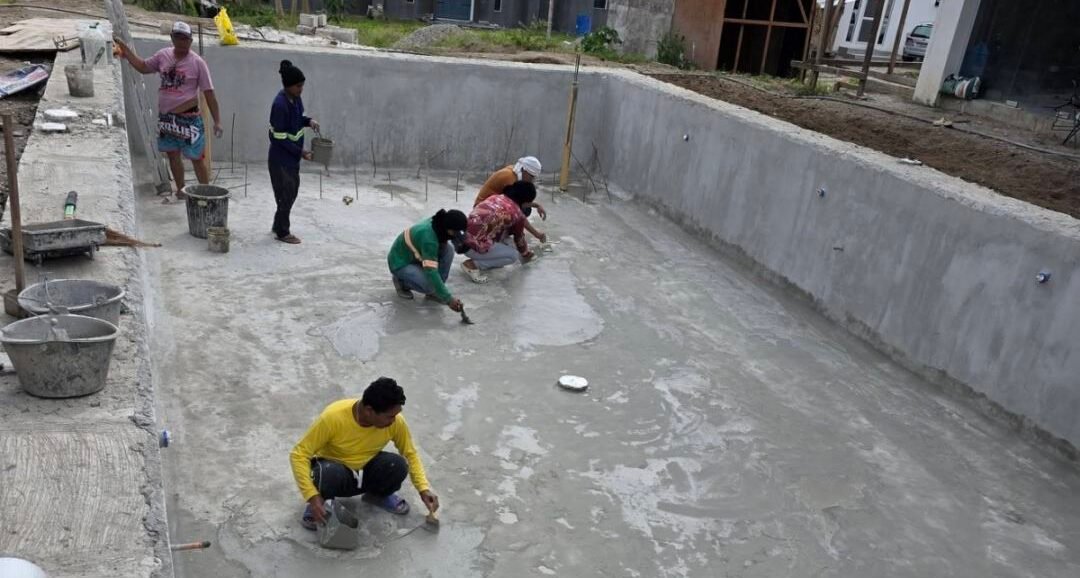
Waterproofing during the summer season may seem ideal due to dry conditions—but in reality, it introduces a different set of risks that can compromise performance if not properly managed. High temperatures and rapid evaporation can significantly affect how waterproofing materials behave, often leading to premature failure if application is not controlled.
Waterproofing during the summer season may seem ideal due to dry conditions—but in reality, it introduces a different set of risks that can compromise performance if not properly managed. High temperatures and rapid evaporation can significantly affect how waterproofing materials behave, often leading to premature failure if application is not controlled.
The Hidden Risks of Summer Waterproofing
Extreme heat accelerates the curing process of waterproofing materials. While this might sound beneficial, it actually causes “flash curing”—where the surface dries too quickly before proper bonding occurs underneath. This can result in:
- Blistering and bubbling
- Weak adhesion to the substrate
- Surface cracking due to rapid moisture loss
- Reduced long-term durability
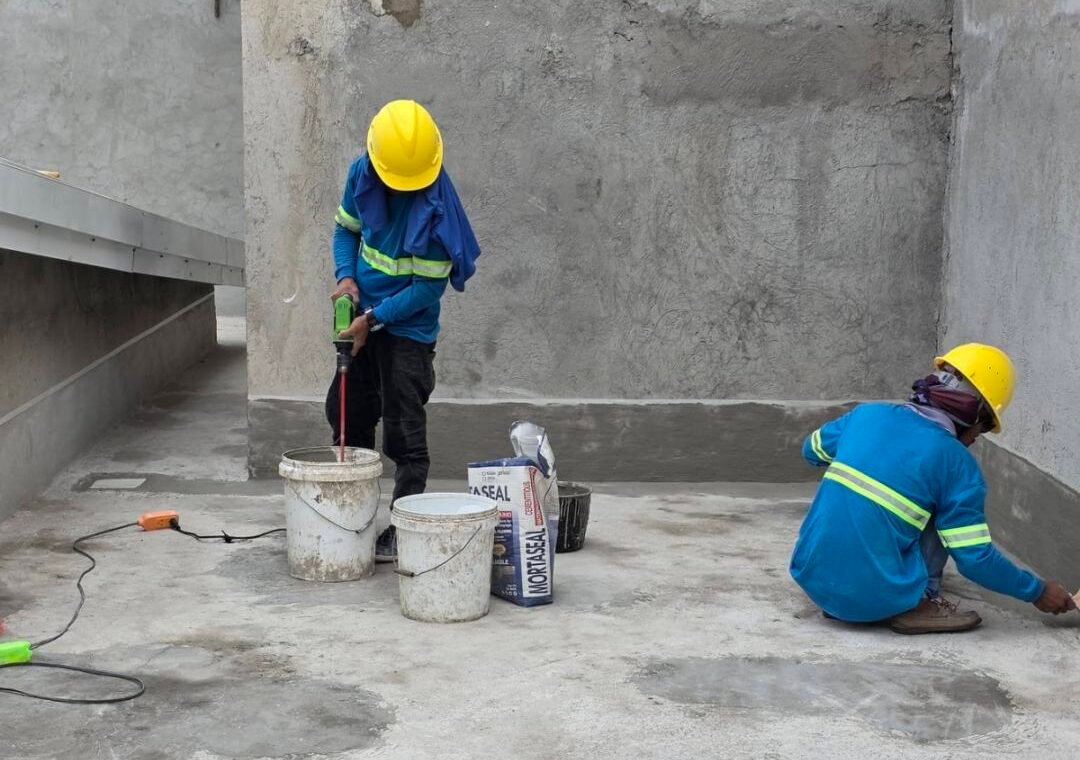
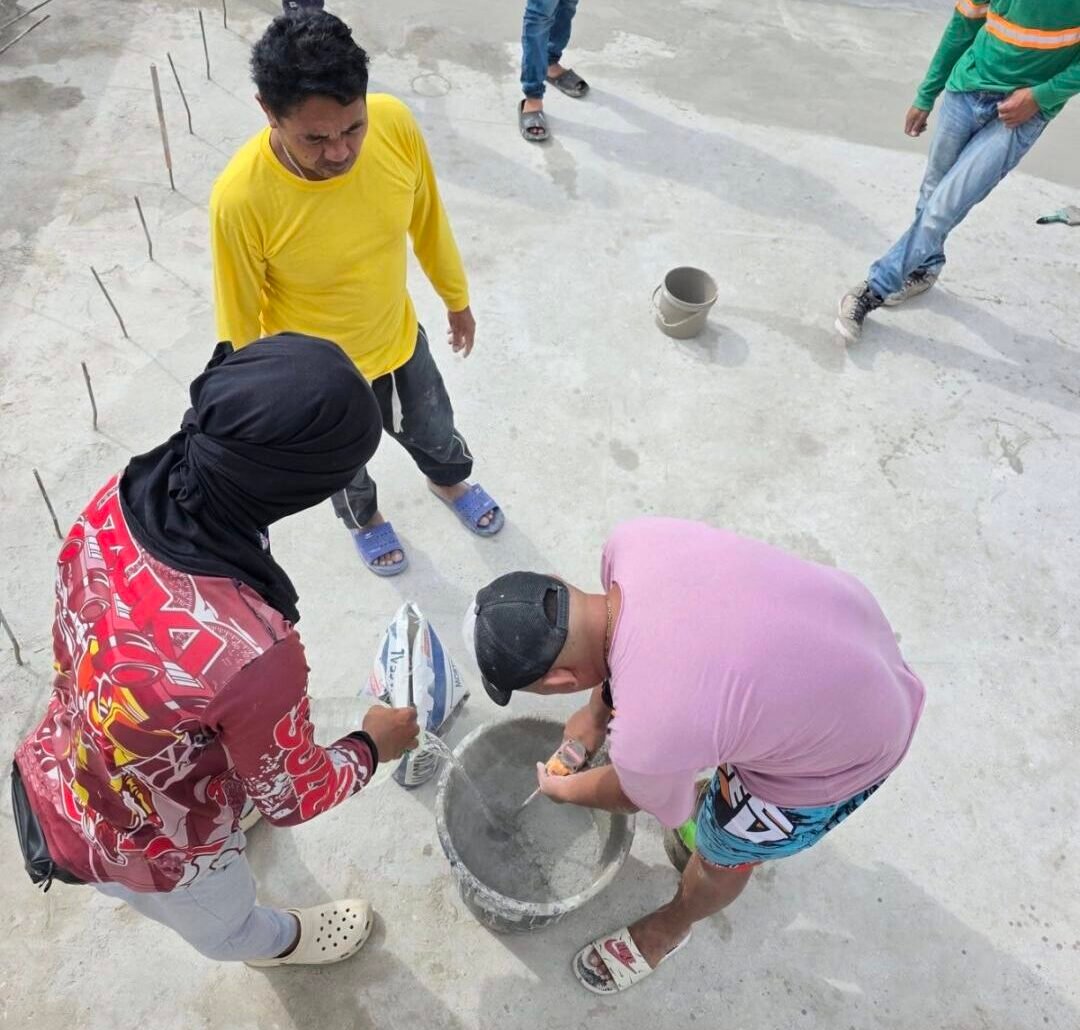
Without proper precautions, even high-quality waterproofing systems can fail under these conditions.
Best Practices for Successful Summer Application
To ensure a durable and long-lasting waterproofing system during hot weather, follow these essential practices:
Work During Cooler Hours: Apply waterproofing materials early in the morning (before 11 AM) or late afternoon (after 4 PM) to avoid peak surface temperatures.
Monitor Surface Temperature: Avoid application when substrate temperatures exceed 30°C–35°C. Excess heat causes uneven curing and poor bonding.
Pre-Dampen the Surface: Lightly dampen concrete substrates before application. This helps reduce temperature and prevents rapid water absorption from the coating.
Proper Storage Matters: Keep materials in shaded, cool areas to maintain their consistency and performance.
Mix Only What You Need: High temperatures shorten the pot life. Mix small batches to avoid wastage and ensure optimal workabilityApply Thin, Even Coats: Avoid thick, rushed applications. Multiple thin layers ensure better adhesion and curing.
Create Temporary Shade: Use tarpaulins or covers to protect the working area from direct sunlight—while still allowing airflow.
Ensure Proper Curing: Post-application curing is critical. Use damp cloth (Hessian) or plastic covers to retain moisture and prevent cracking.
Why Choose Mortabond Mortaseal & Mortaseal Flexi Single Component Cementitious Waterproofing Slurry?
When it comes to overcoming the challenges of summer waterproofing, Mortabond Mortaseal and Mortaseal Flexi are engineered to deliver reliable performance even under demanding conditions.
Mortabond Mortaseal Waterproofing
A high-performance waterproofing solution designed for strong adhesion and durability. Ideal for general waterproofing applications where proper surface preparation and curing are observed.
Enhanced with flexibility, this variant accommodates minor substrate movements and thermal expansion—making it especially effective in hot climates where materials expand and contract.
The Advantage
- Strong bonding even with controlled application in high temperatures
- Reduced risk of cracking and blistering when applied correctly
- Long-lasting protection against water penetration
- Flexible performance for dynamic surfaces (Flexi variant)
Final Thoughts
Summer waterproofing is not just about applying the product—it’s about timing, technique, and temperature control. By following proper application methods and using trusted solutions like Mortabond Mortaseal and Mortaseal Flexi, you can ensure a waterproofing system that stands the test of heat, time, and environment.
Ready to Waterproof the Right Way?
Don’t let extreme heat compromise your project. Choose Mortabond Mortaseal and Mortaseal Flexi Single Component Cementitious Waterproofing Slurry for dependable, high-performance waterproofing—even under the toughest summer conditions. Start your next waterproofing project with Mortabond today.
READ MORE
Discovering the Art of Limewash Through Creativity, Technique, and Hands-On Experience
Steine Paints Modern Limewash successfully hosted its first-ever Modern Limewash Painting Workshop on July 2, 2026, at Latitude Bean+Bar in Malate, Manila. The free, hands-on workshop brought together design professionals, DIY enthusiasts, creatives, and individuals...

Read the Story: How Mortabond Is Building Tomorrow’s Construction Solutions
The construction industry continues to evolve. As projects become more demanding, builders need smarter, stronger, and more sustainable solutions. That is why Mortabond remains committed to developing innovative products that help professionals achieve lasting...
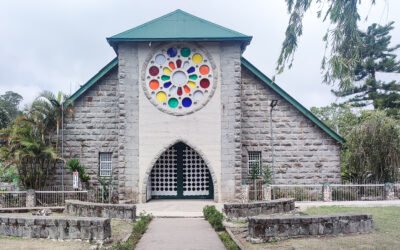
Preserving Stone, Preserving Spirit: How Mortabond Protects Sagada’s Sacred Cultural Heritage
Nestled in the highlands of Sagada stands one of the country’s oldest and most iconic cultural landmarks—the Church of St. Mary the Virgin. Built in 1904 by American missionaries led by Rev. John Staunton, the church was constructed using locally sourced stone,...

Empowering Creativity: Women Transform Walls with Steine Paint Modern Limewash
There’s something powerful about turning a blank wall into a story—especially when it’s done by women who are shaping spaces with both vision and purpose. In this inspiring project, five creatives—three architects (Thea De Vera, Alethea Zamora, Ash Casimiro), and two...